
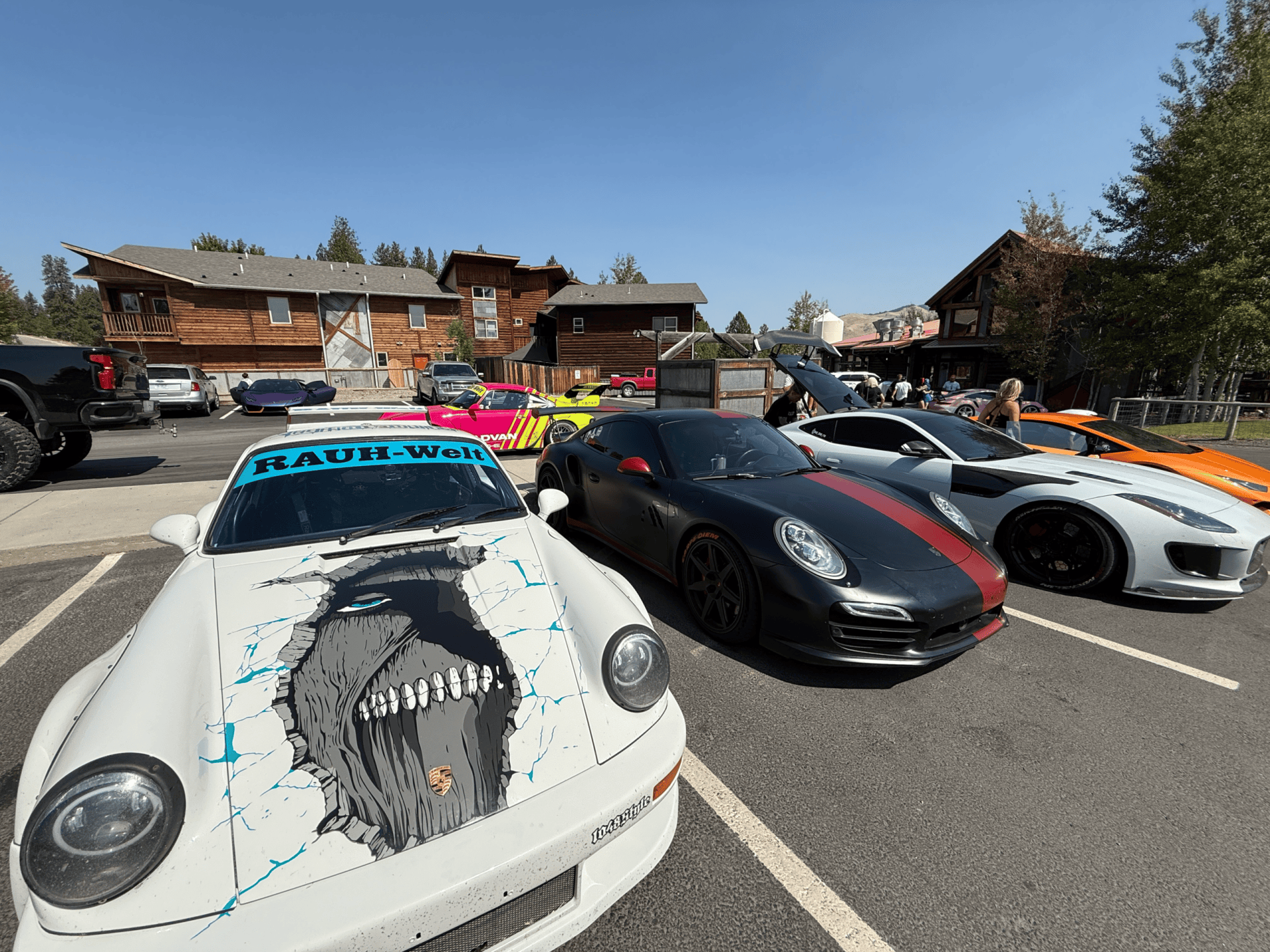
The Pacific Northwest seems almost purpose-built for a road trip. Volcanic mountains, dense forests, rivers, alpine lakes, remote highways and small mountain towns are connected by some genuinely spectacular driving roads.
For the AFR Pacific Northwest Tour, we put those pieces together into a multi-day route beginning in Portland, Oregon, traveling north through Washington and Mount Rainier country, then turning east toward Yakima before crossing into the mountains and lakes of Idaho. Our final destination was Boise, but—as with every AFR route—the objective wasn’t to find the quickest way there. We wanted the roads worth driving.
Over four major driving days, the trip covered roughly 1,200 miles through three states and some of the most impressive scenery in the Pacific Northwest.
Day 0 – Starting in Portland
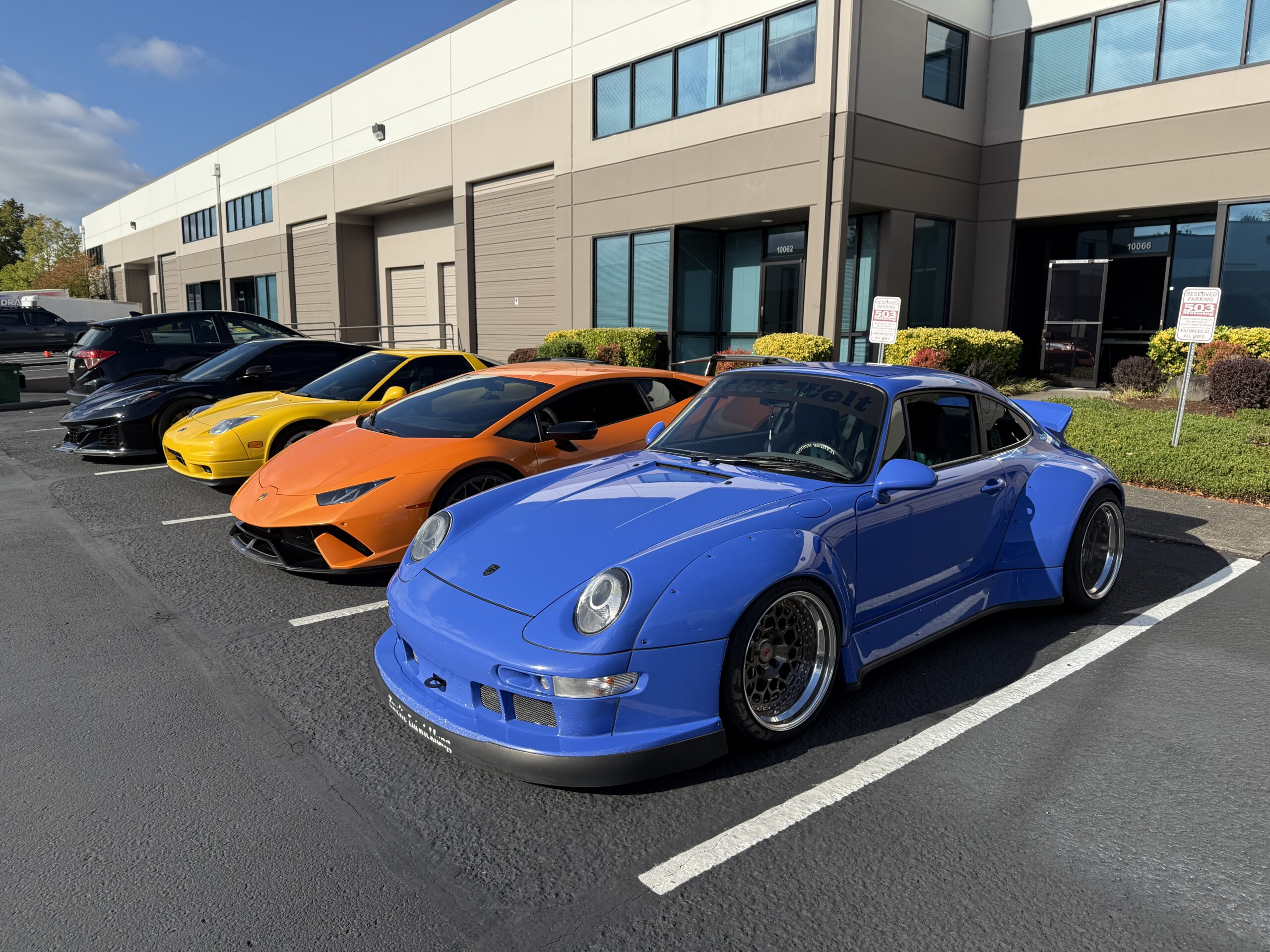
To start in Portland, a handful of us had to ship our cars from Arizona and Utah while some drove to the start. The cars were all transported to our friend Tim who owns 503 Motoring in Beaverton, OR. With the cars safe, and our arrival in Portland, we stayed near the city center at the Kimpton River Place Hotel. There is plenty to do in Portland so we spent the evening having great food and drinks. There would be plenty of time behind the wheel beginning the following morning.
Day 1 – Portland to Yakima
6 Hours | 285 Miles – https://maps.app.goo.gl/NWQSoRnaaECpNsPd6
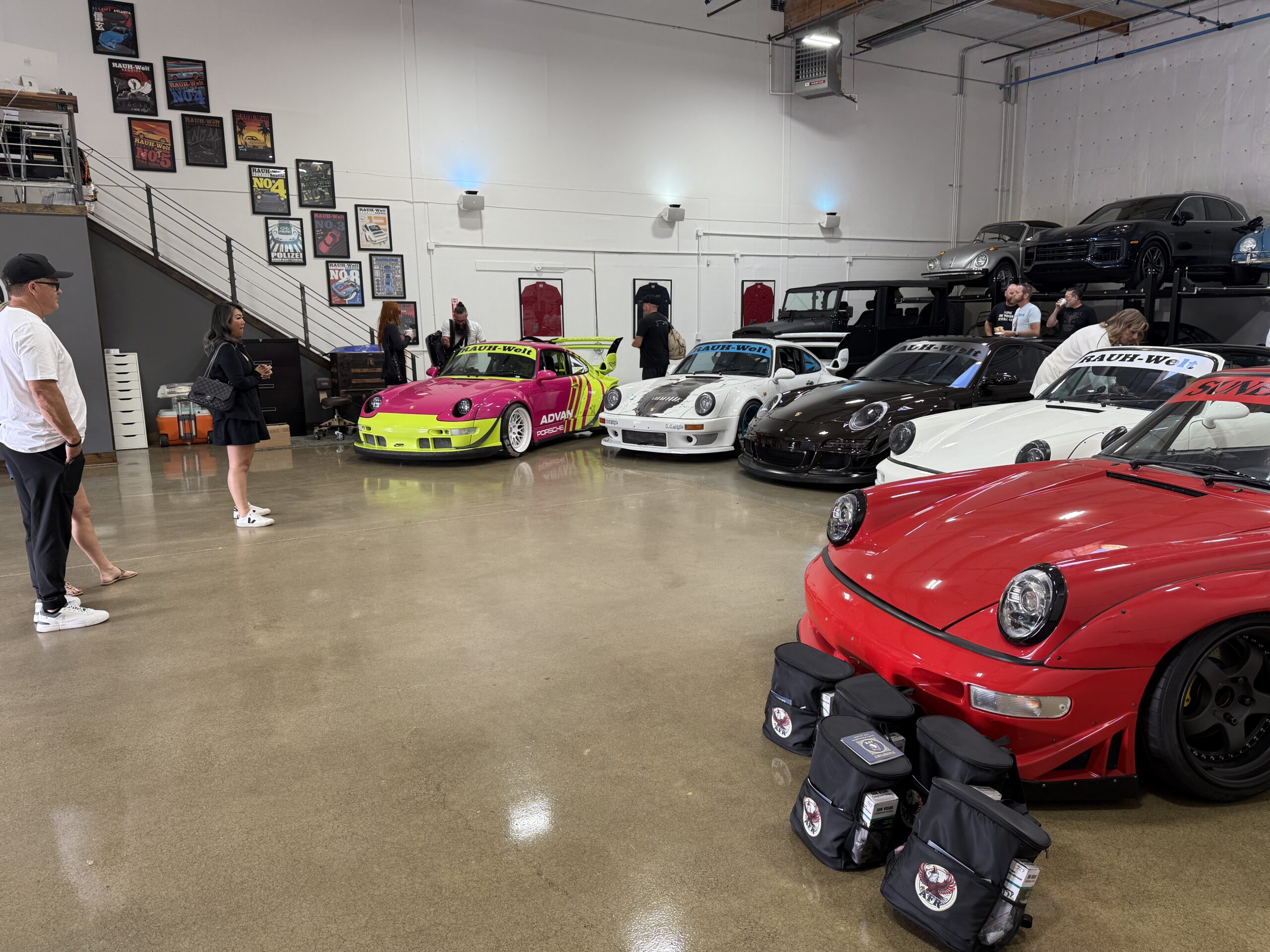
The morning had us kicking off at 503 Motoring where we ate some breakfast and loaded our things in the cars. 503 had a great collection of cars to look at as well as space for our vehicles to be stored. Leaving Portland, the city gradually disappeared behind us as we headed toward the forests and mountains of southern Washington. Bypassing the I-5 as much as we could, it didn’t take long for the Pacific Northwest scenery we’d come for to take over.
The first major checkpoint on our adventure drive was Mount Rainier. At 14,410 feet, it dominates the surrounding landscape. Rather than simply viewing the mountain from a highway in the distance, our route brought us directly into Mount Rainier National Park and onto the roads winding through the surrounding forests. One of our stops was Christine Falls, where a stone bridge passes directly above the waterfall.
We also worked additional scenic stops into the route, including overlooks and a suspension bridge, before continuing east. As we crossed Washington, the landscape began to change dramatically. The dense forests surrounding Mount Rainier gradually opened into the much drier terrain of central Washington. By the end of the day, we arrived at Hotel Maison in Yakima.
Day 2 – Yakima to Coeur d’Alene
Route 1 – 6 Hour 22 Mins | 300 Miles – https://maps.app.goo.gl/nxEkcD2FcWzLGdB87
Route 2 – 7 Hour 15 Mins | 335 Miles – https://maps.app.goo.gl/Sy3nmdWtPcQC4SzG6
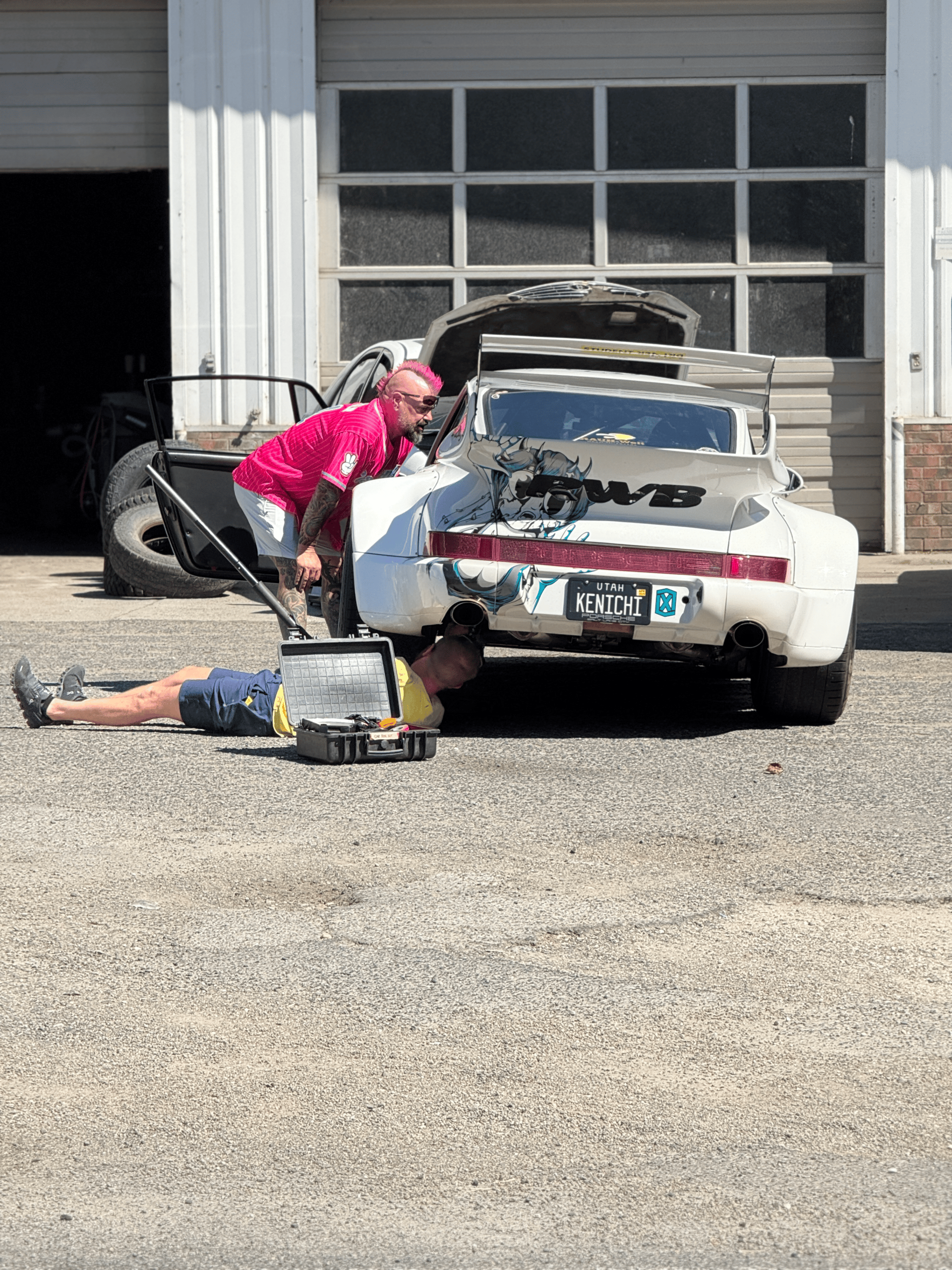
Day two could go either route. One is slightly longer as you cross the Columbia River by ferry after going through some long twisty mountain roads. Unfortunately for our journey we took the shorter route due to a car mechanical which is common on road rally adventures.
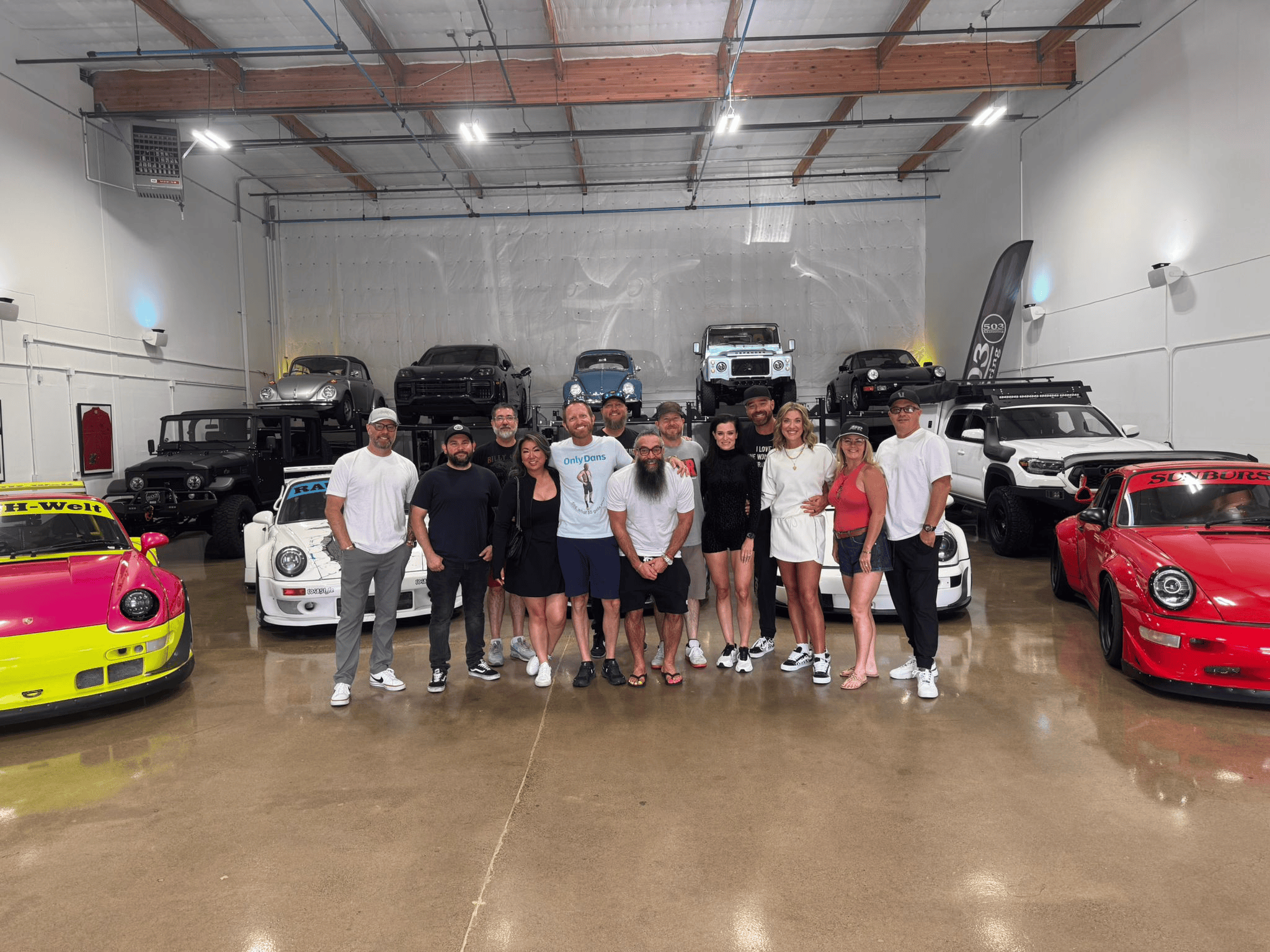
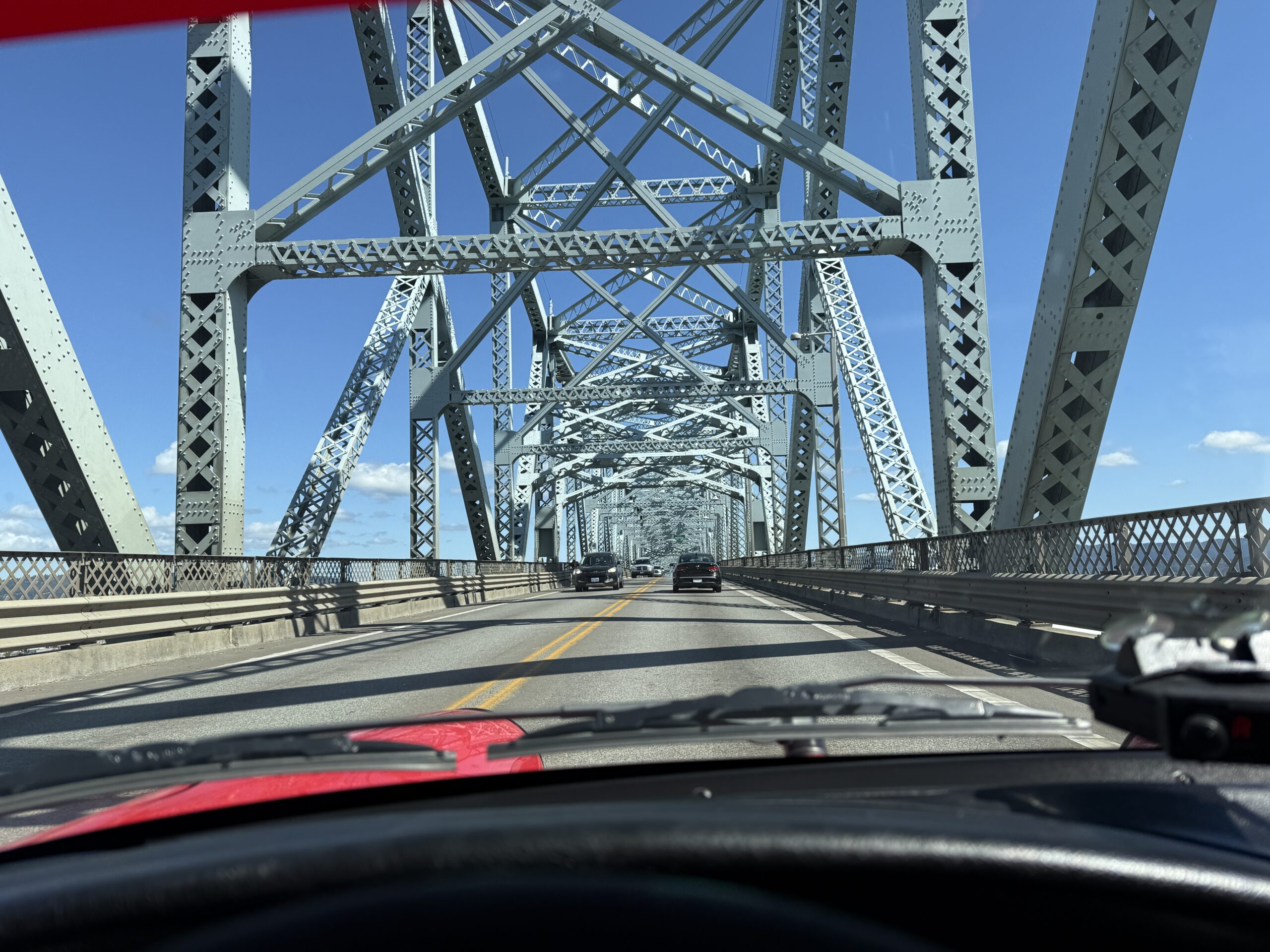
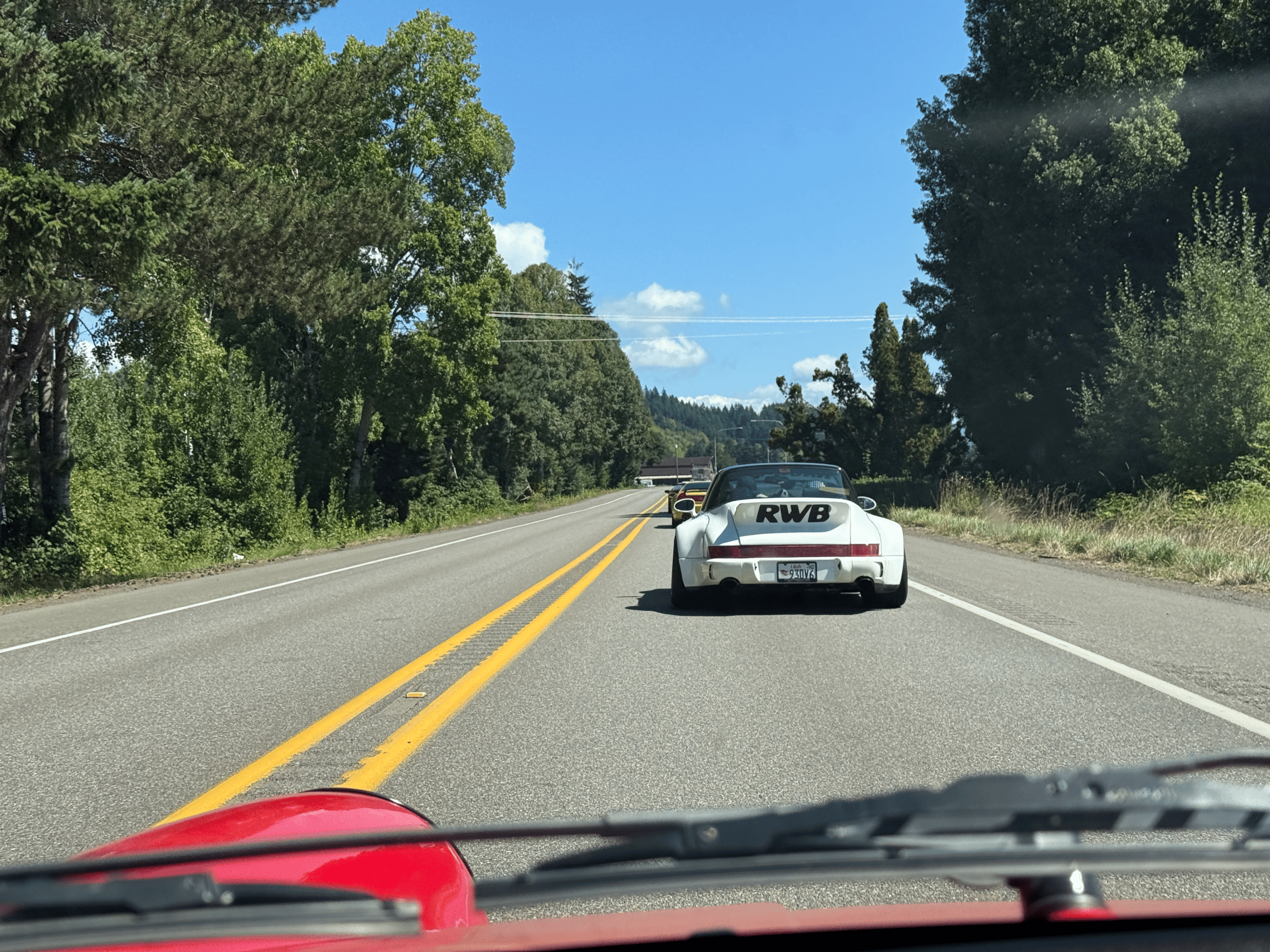
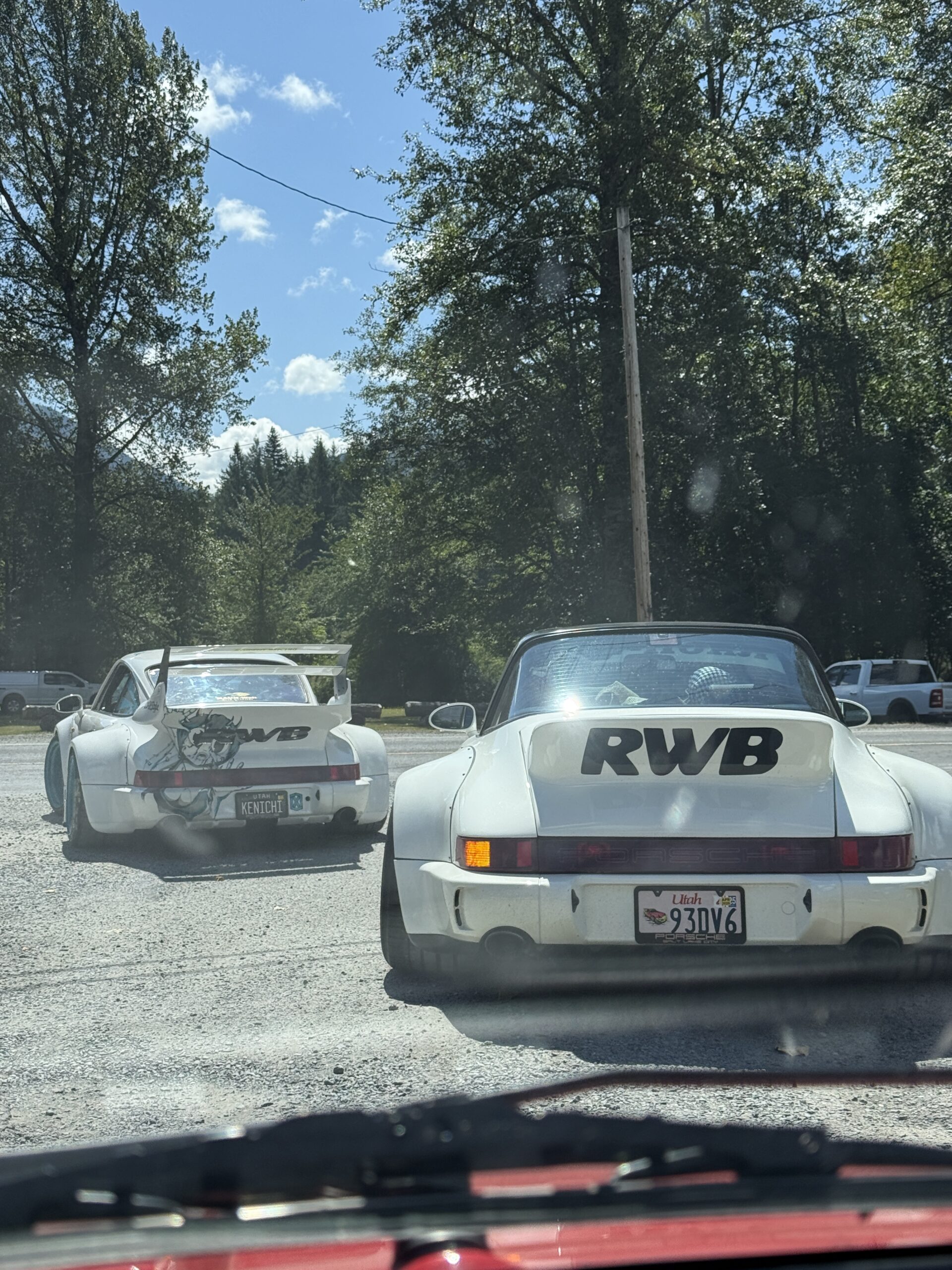
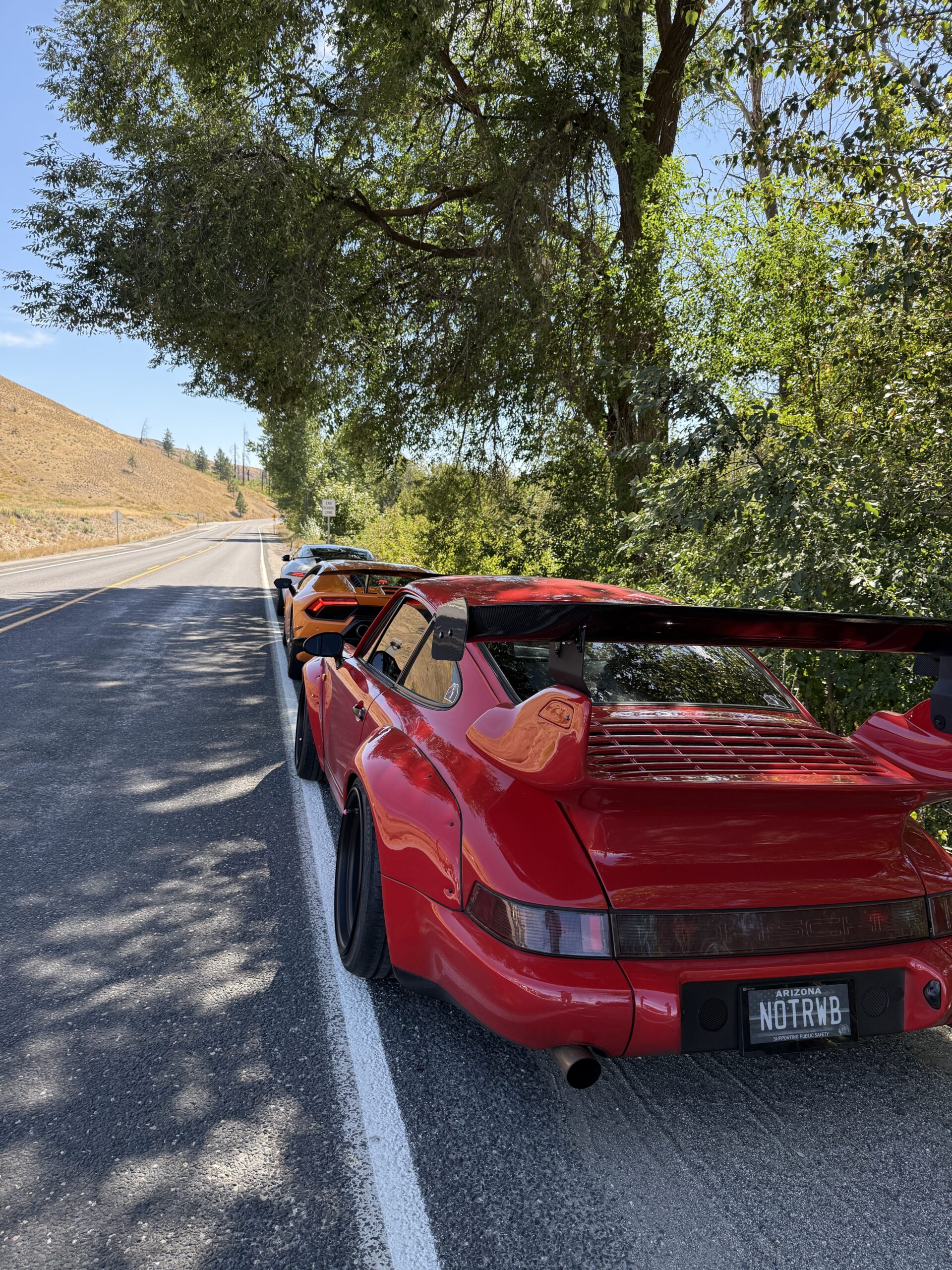
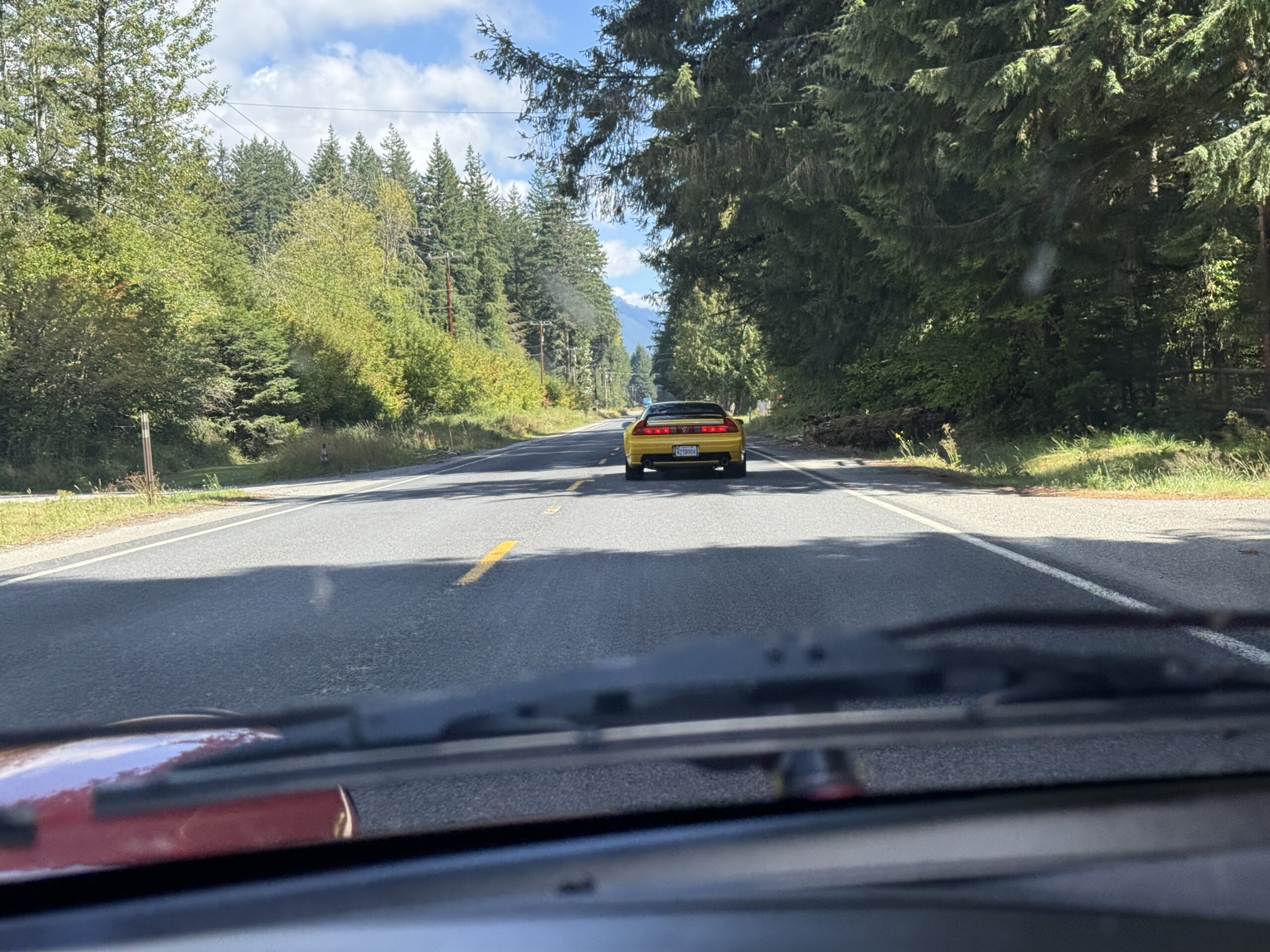
As we departed Yakima and headed northeast across Washington, we immediately were met with great winding roads on HWY 821 that followed the Yakima River. These were some of the most beautiful and fun roads we have ever traveled. As we continued on HWY 291 following the Spokane River, we eventually returned to the city traffic of Spokane, Washington before heading into Coeur d’Alene. This wasn’t a day built around major tourist attractions. It was about covering ground through the less populated parts of the state and watching the Pacific Northwest continue to change around us.
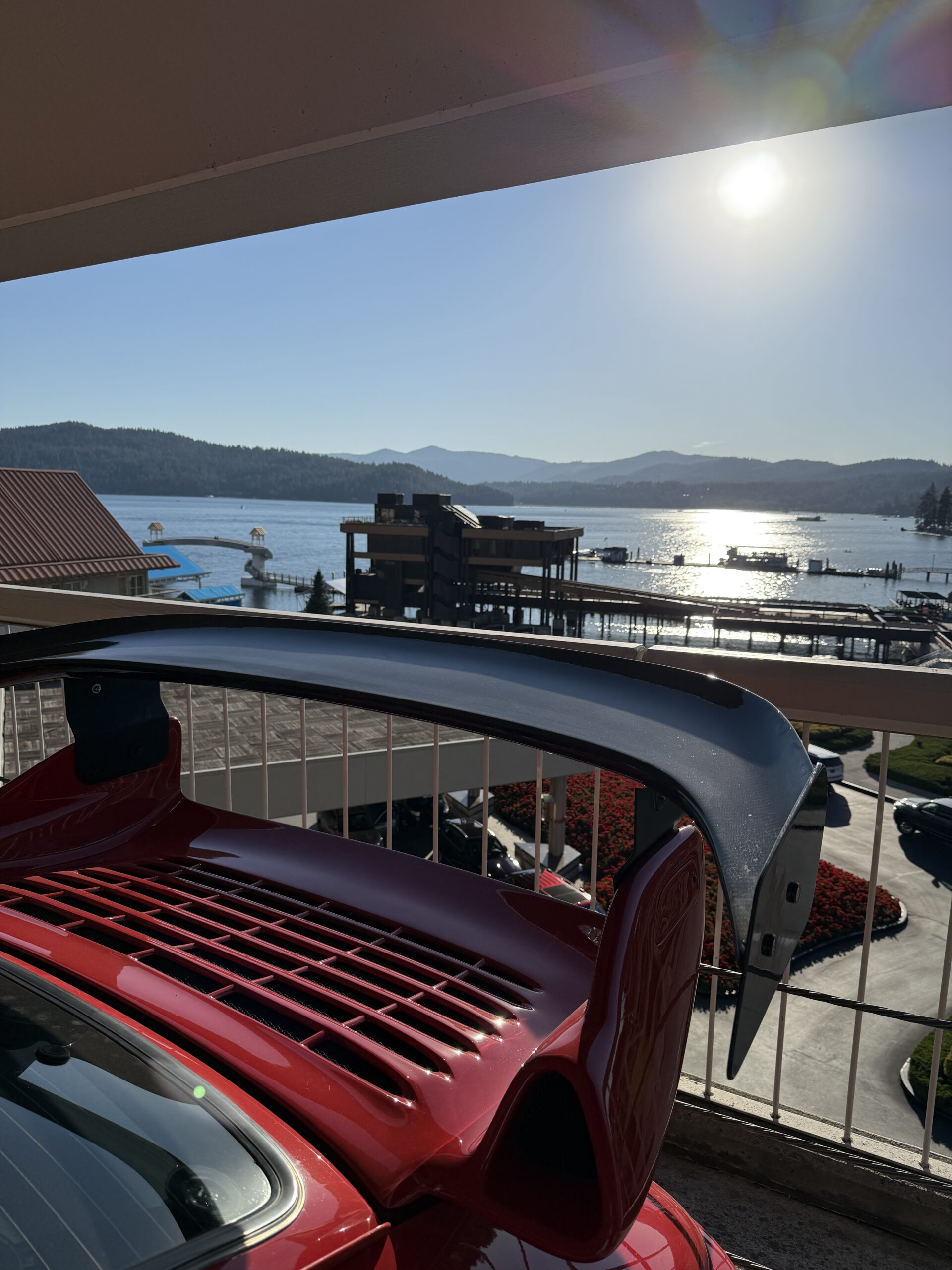
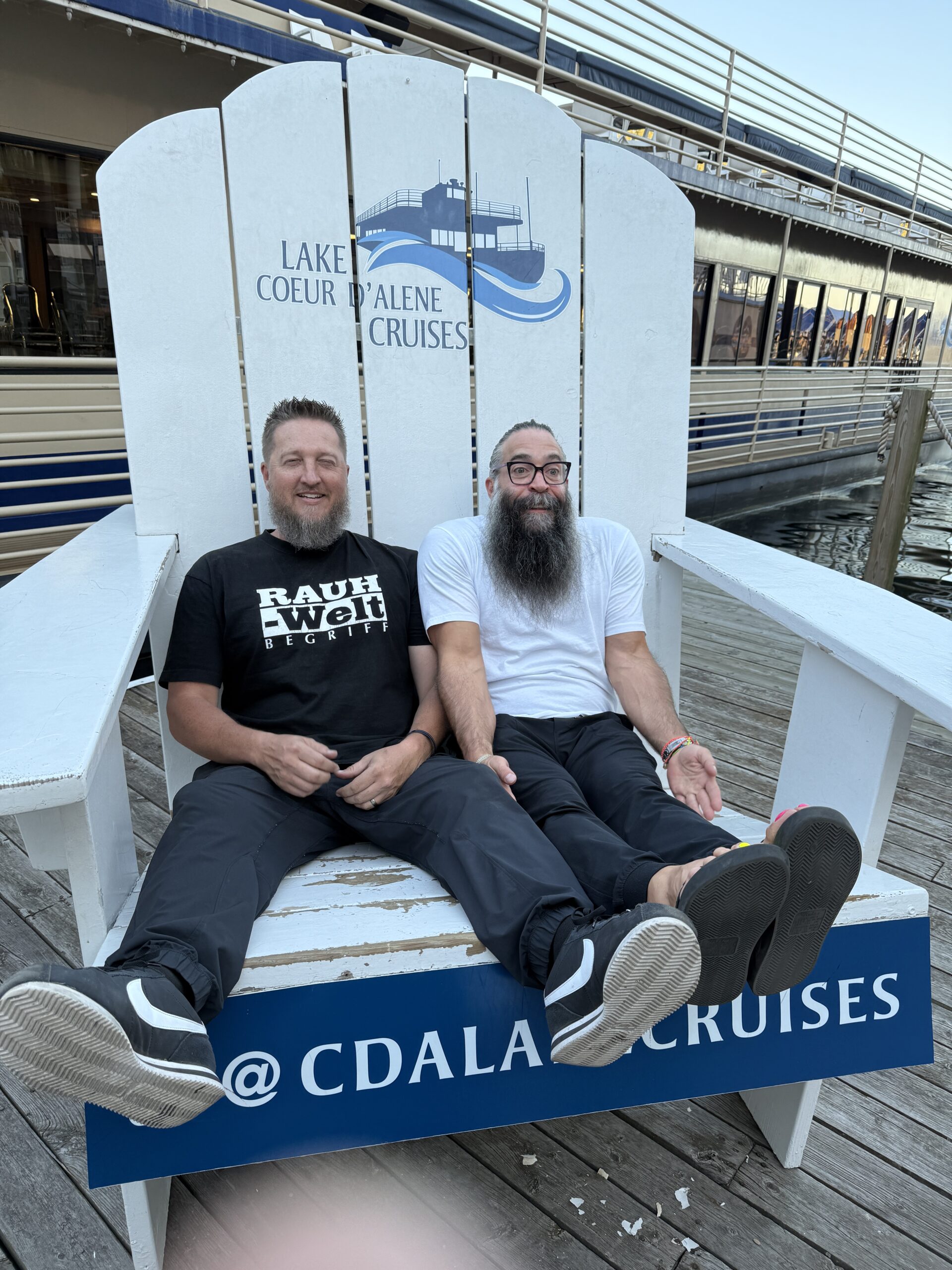
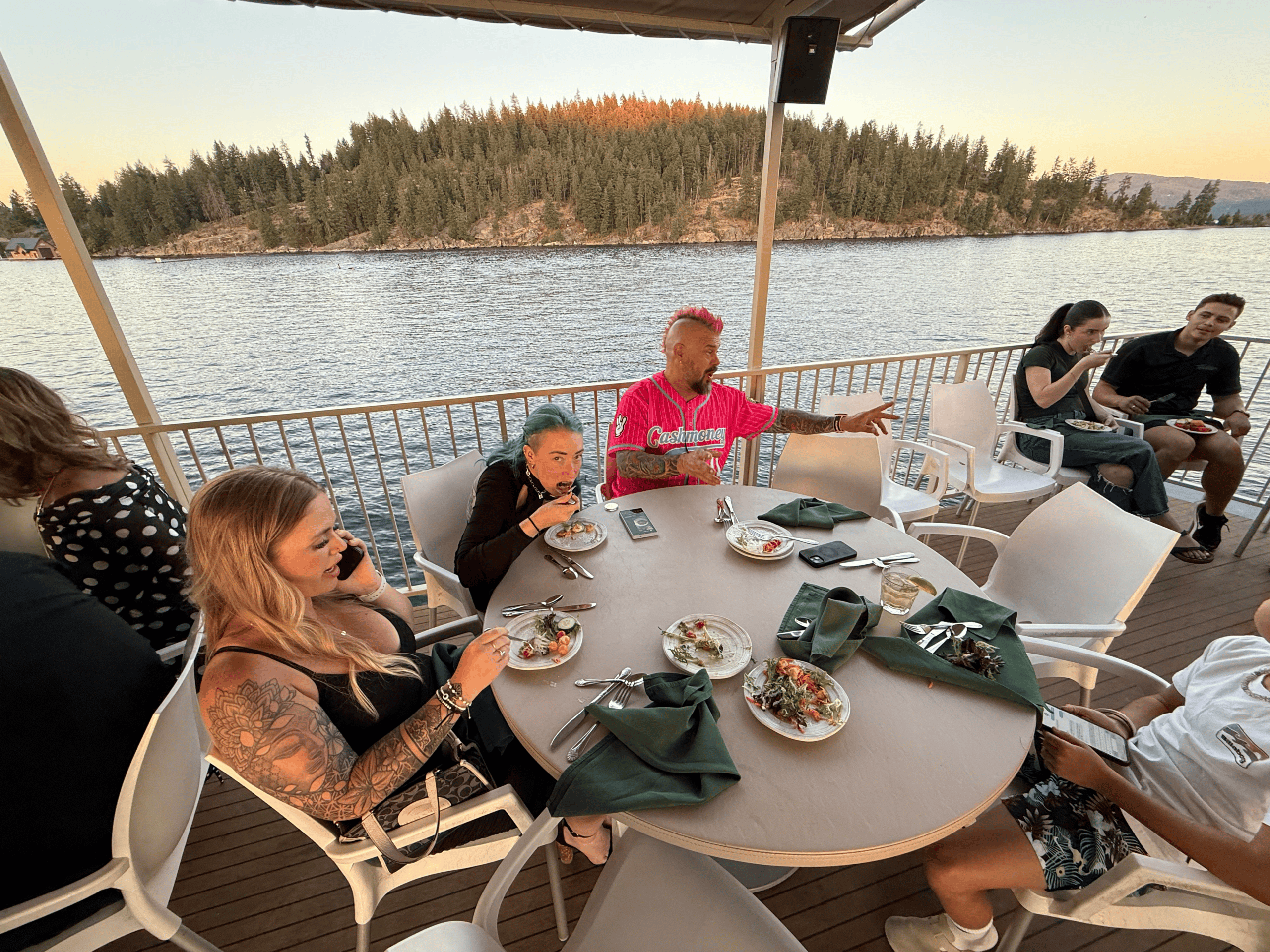
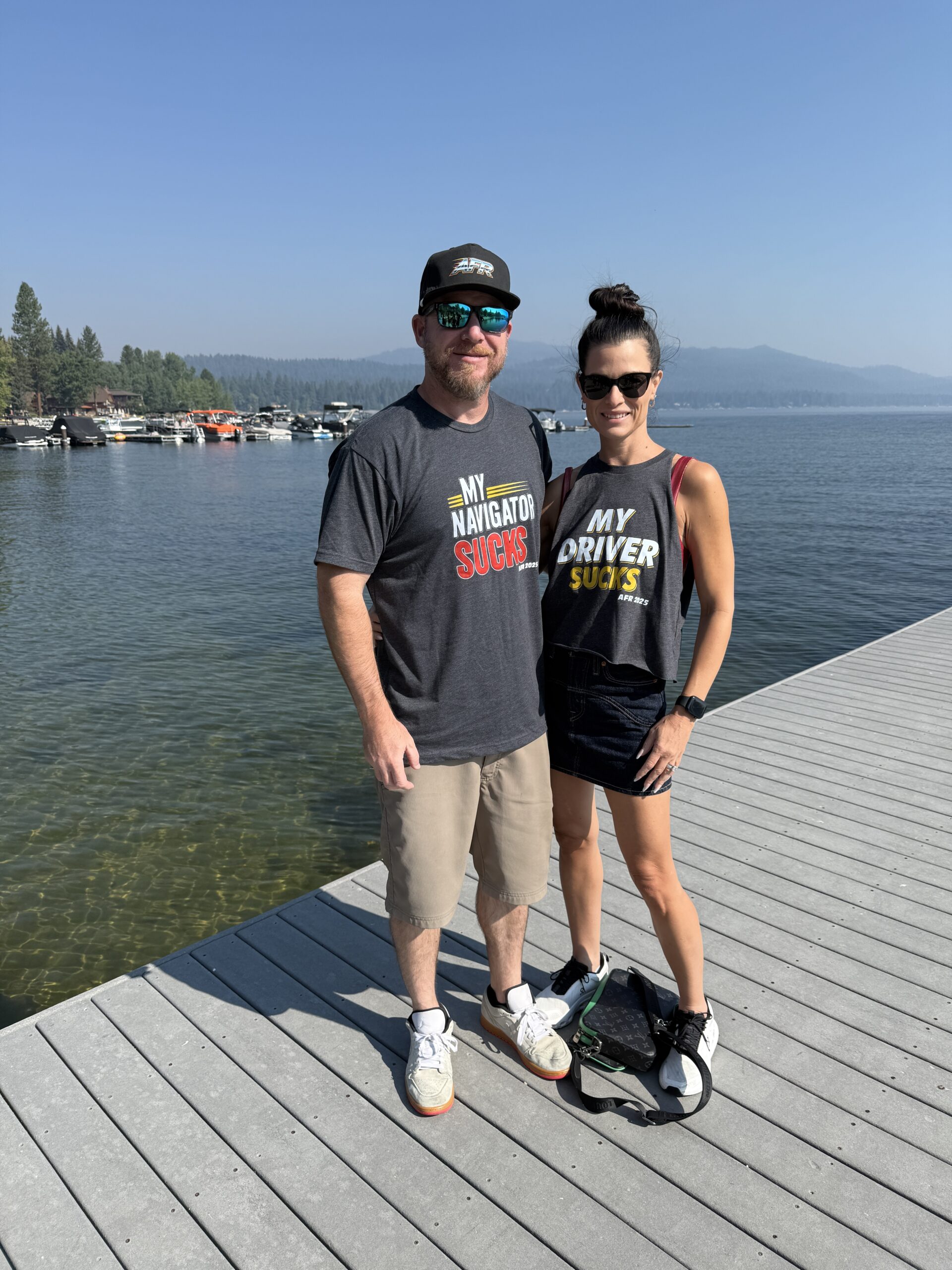
We stayed at The Coeur d’Alene Resort, right on the shore of Lake Coeur d’Alene. This is the only major resort in the area right on the water. After hundreds of miles on the road, we weren’t finished with the water just yet. That evening, we traded the cars for a boat and headed onto the lake for a dinner cruise. It provided the perfect contrast to the day’s driving. Instead of another restaurant and another parking garage, we were watching the sun drop over one of Idaho’s most famous lakes. The next morning, we headed deeper into Idaho.
Day 3 – Coeur d’Alene to Riggins
6 Hours 30 Mins | 340 Miles – https://maps.app.goo.gl/8VWVvcA4w7GMAswy7
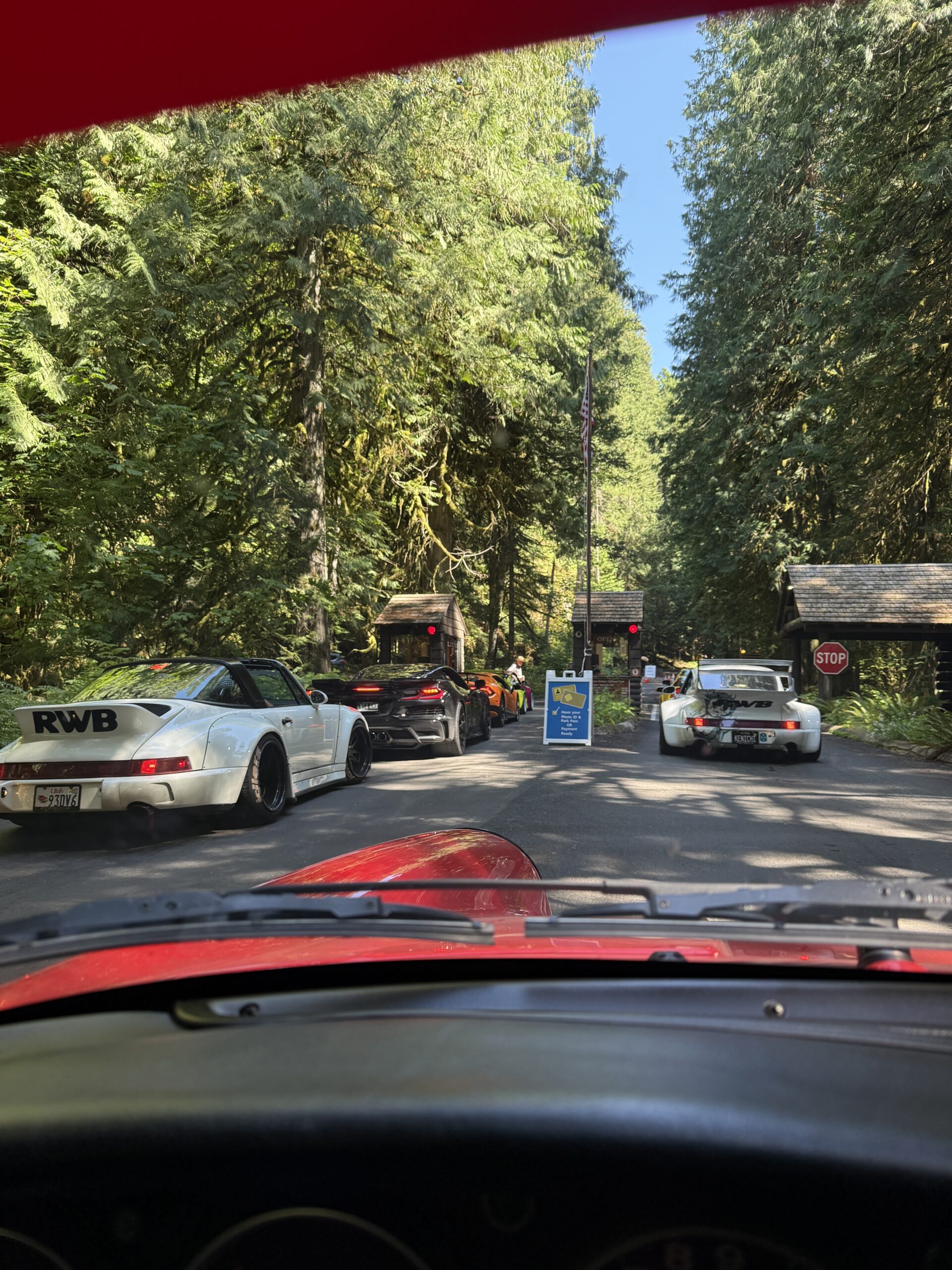
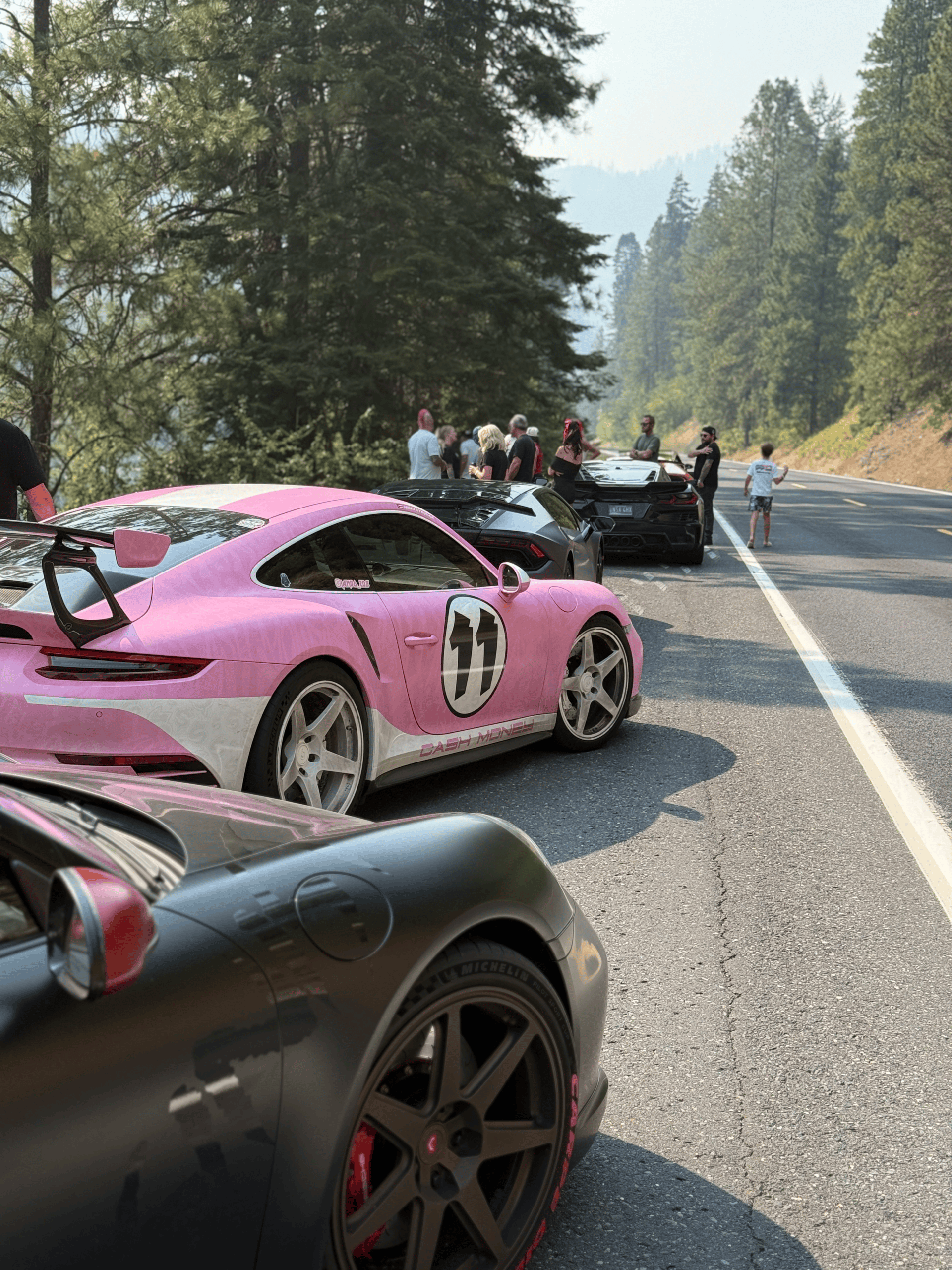
Day Three was all about driving. We got to briefly step into Montana as we neared Missoula and had lunch in Lolo. From here we took what I would say is one of the best stretches of driving roads in the country. The roads here aren’t famous in the same way as Tail of the Dragon or California’s Pacific Coast Highway. But they should be! Rte 12 from Lolo to Kooskia is about 2 hours of non stop fast twisty roads paralleling the Lochsa River. This is a very remote, mountain part of Idaho but well worth the drive.
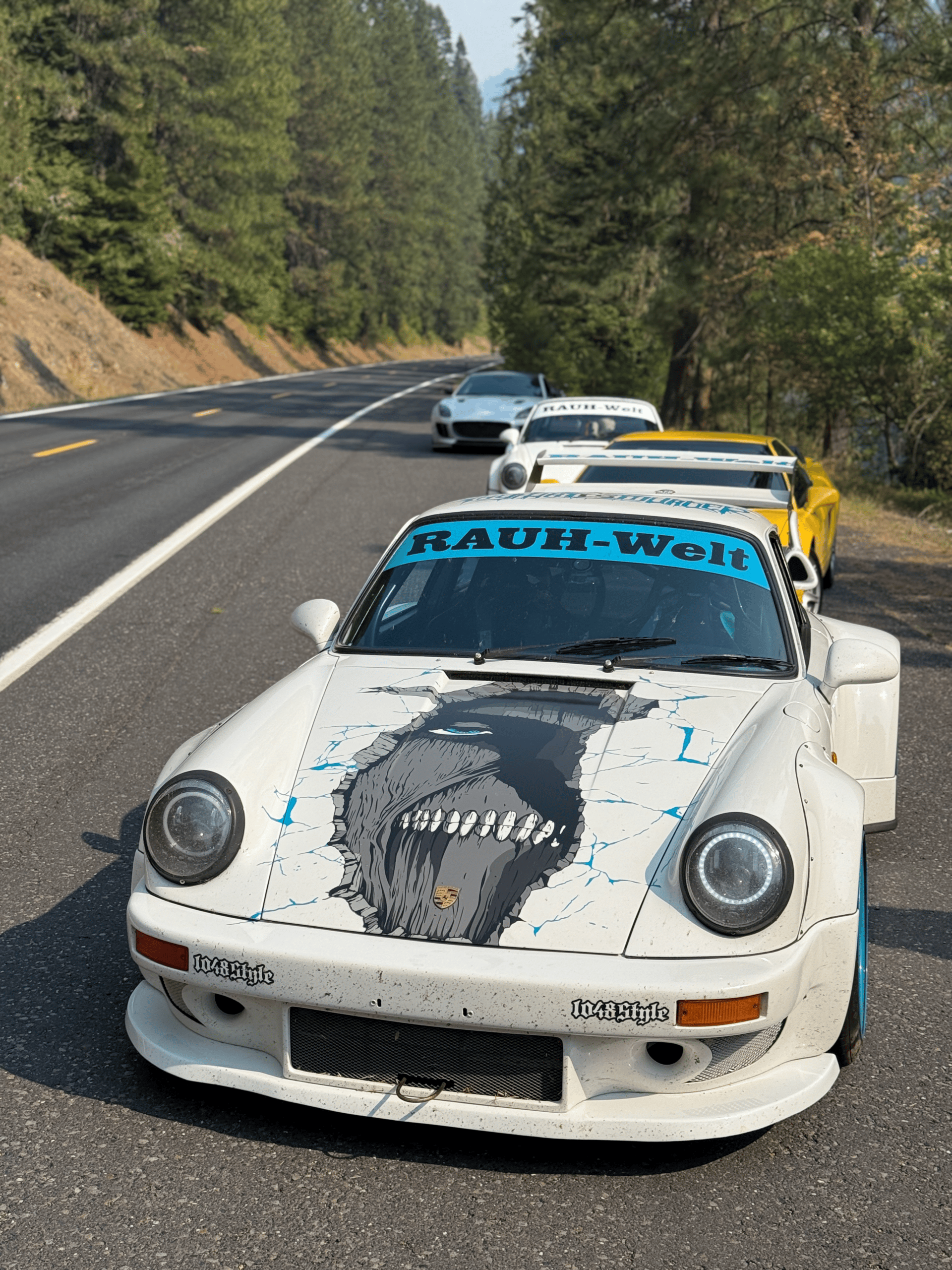
Eventually, the route brought us alongside the Salmon River. Known as the “River of No Return,” the Salmon cuts through some of the most rugged terrain in the lower 48 states. The highway follows portions of the river, creating a spectacular combination of flowing water, canyon walls and winding pavement. The road itself is the viewpoint.
Our overnight stop was Salmon Rapids Lodge, giving everyone a chance to park the cars, grab dinner and enjoy a much quieter side of Idaho. By this point, Portland felt very far away.
Day 4 – Riggins to Boise Idaho
4 Hours 50 Mins | 220 Miles – https://maps.app.goo.gl/bw7faMcdr18wT9xy7
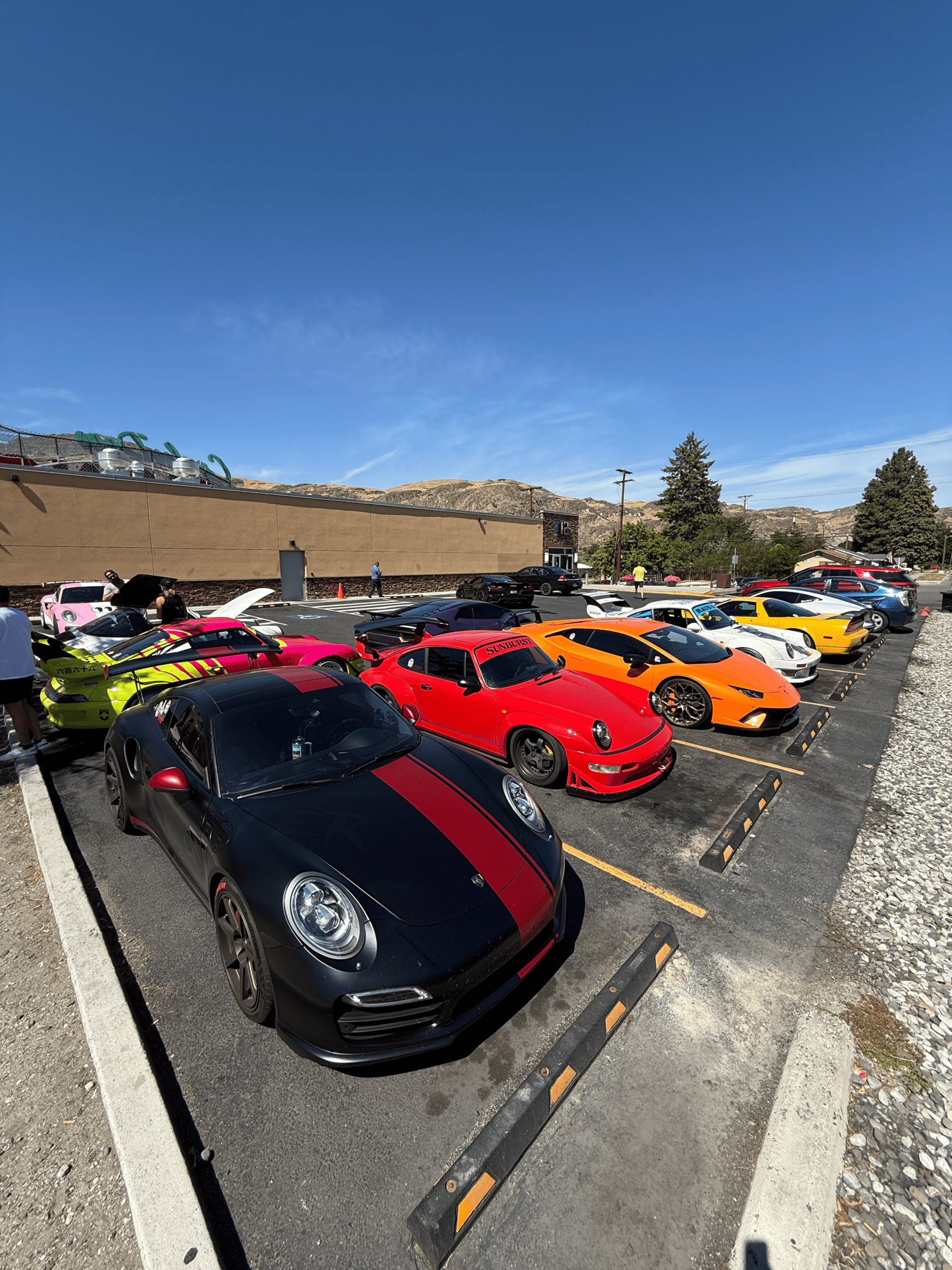
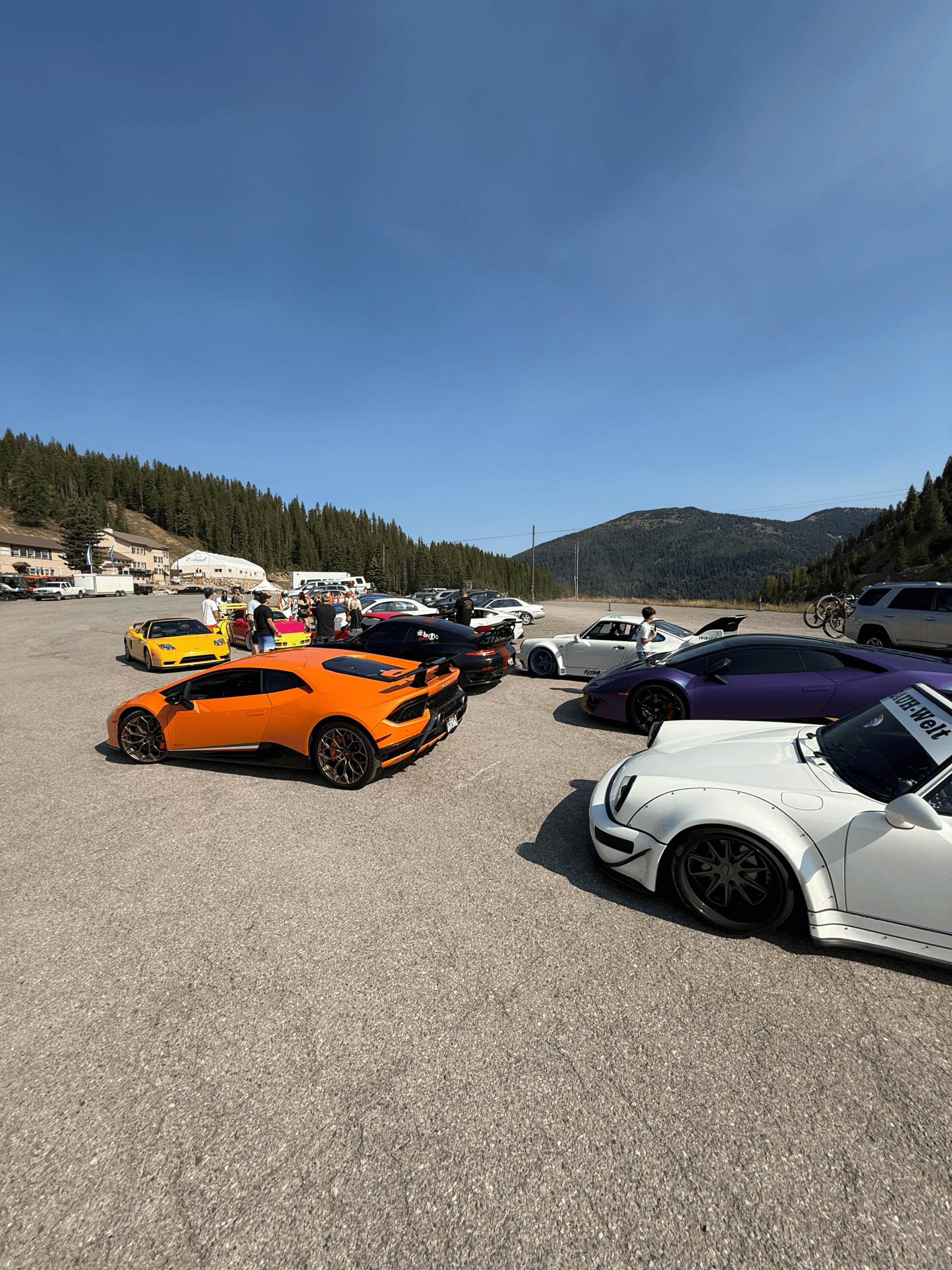
The final driving day was shorter on paper. That didn’t mean we were taking the direct route. From Salmon River country, we continued south through the mountains toward McCall, Idaho. McCall sits on the shore of Payette Lake and is one of Idaho’s best-known mountain resort towns. Surrounded by forests and mountains, it’s a natural stopping point when traveling through this part of the state. We stopped in McCall for lunch at The Cutwater before beginning the final leg toward Boise.
The drive south follows Idaho’s mountain and river corridors as the terrain gradually begins changing again. After days of forests, mountains, ferries, lakes and remote highways, signs of civilization slowly begin returning. Eventually, the road leads into Idaho’s capital.
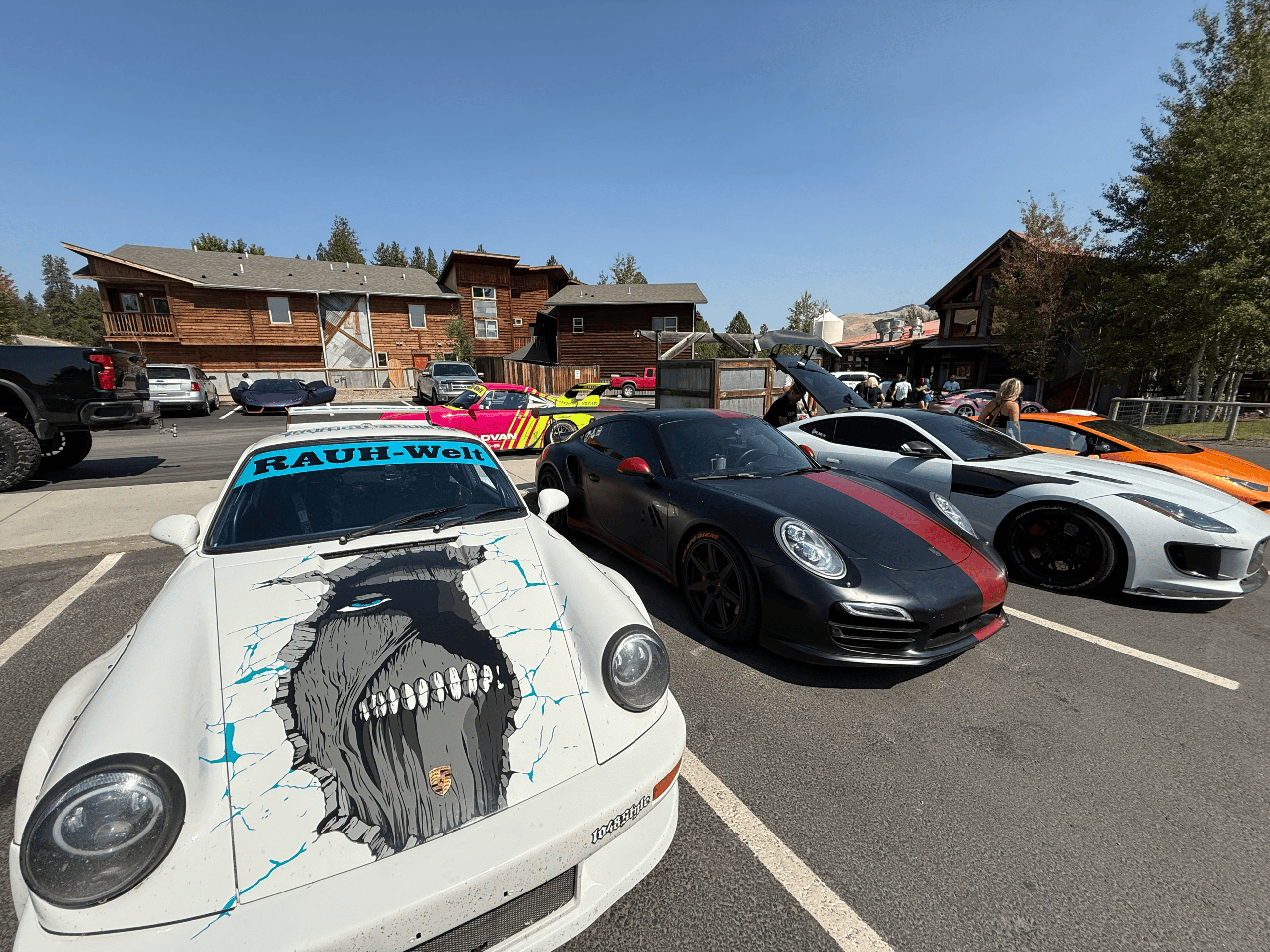
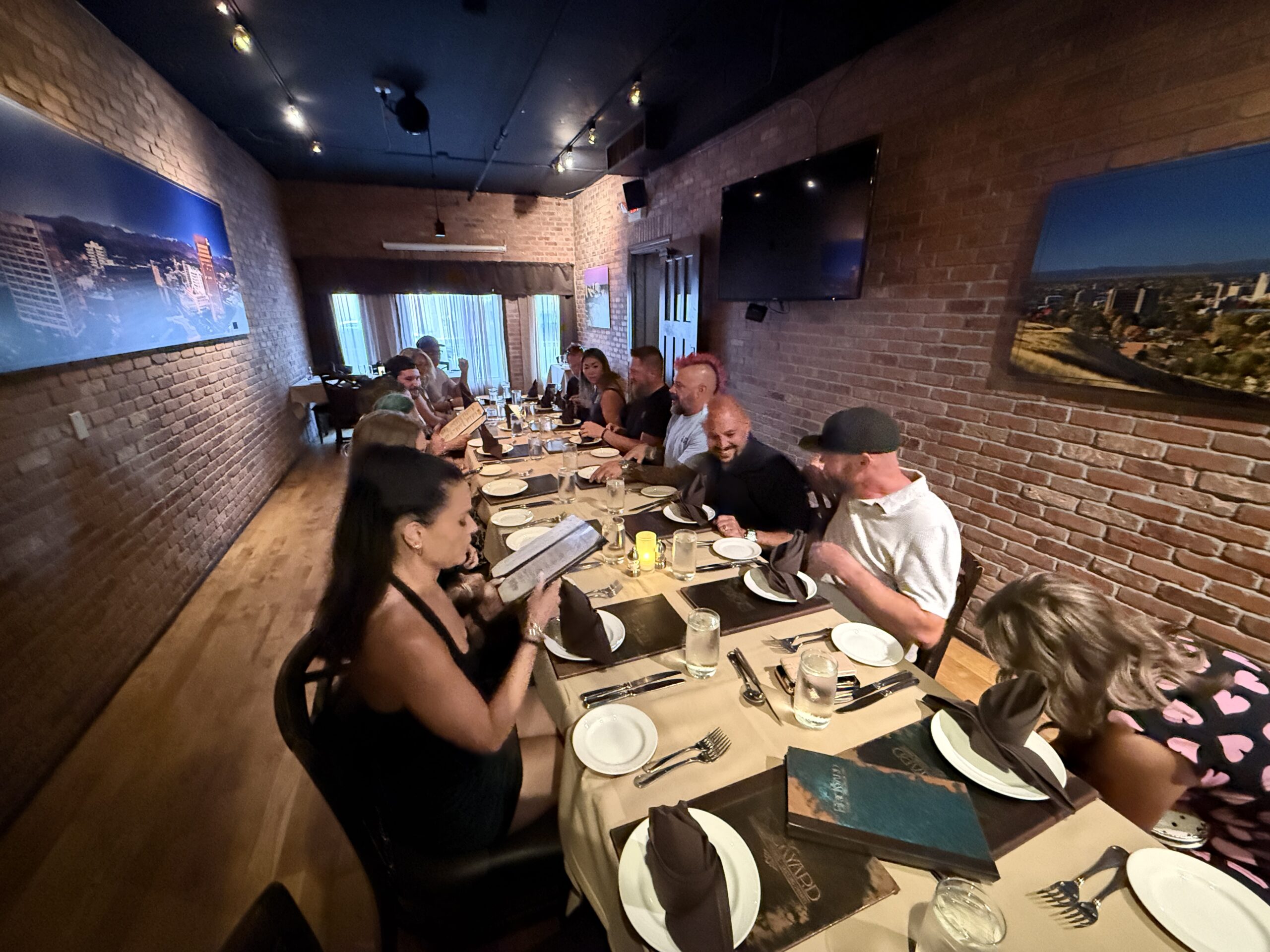
Boise marked the end of the AFR Pacific Northwest Tour. We checked into The Anniversary Inn which is an adults only hotel with themed rooms. If you want an interesting place to stay and pretend you are sleeping in a treehouse, the jungle, or Arabian Nights, then this is the place. But if you want a more traditional hotel, look elsewhere. Once we all unpacked and had a laugh at our rooms, we headed to downtown to enjoy some dinner, the bars, and the fun night life of Boise.
Planning Your Own Pacific Northwest Driving Tour
If you’re planning to recreate this route, give yourself at least four full driving days, plus arrival and departure days. More time would make it even better. Distances in this part of the country can be deceptive. A 300-mile day on interstates is one thing. A 300-mile day involving national parks, mountain roads, scenic stops, ferries, small towns and lunch destinations is something completely different. That’s also why we recommend planning fuel stops carefully. Once you leave the larger cities and head into eastern Washington and central Idaho, don’t assume there will always be another gas station 10 miles down the road. When you’re traveling with performance cars—especially cars with smaller fuel tanks or limited range—it’s worth filling up whenever the opportunity makes sense.
If you take the route with the Inchelium–Gifford Ferry, remember to check ferry operations, schedules and road conditions as they can change. It’s also worth having an alternate route available in case the ferry isn’t operating. But if everything lines up, take the ferry. It’s far more memorable than another bridge.
When to Drive the Pacific Northwest
Summer is the obvious season for a route like this. Higher-elevation roads throughout Washington and Idaho can be affected by snow well beyond the winter months, and weather conditions in the mountains can change rapidly. Summer also provides the long daylight hours that make these multi-stop driving days much easier. Even then, temperatures can vary considerably. You can leave a warm, dry valley and find yourself in much cooler conditions at elevation only a few hours later. Pack accordingly.
The Roads You Don’t Hear About
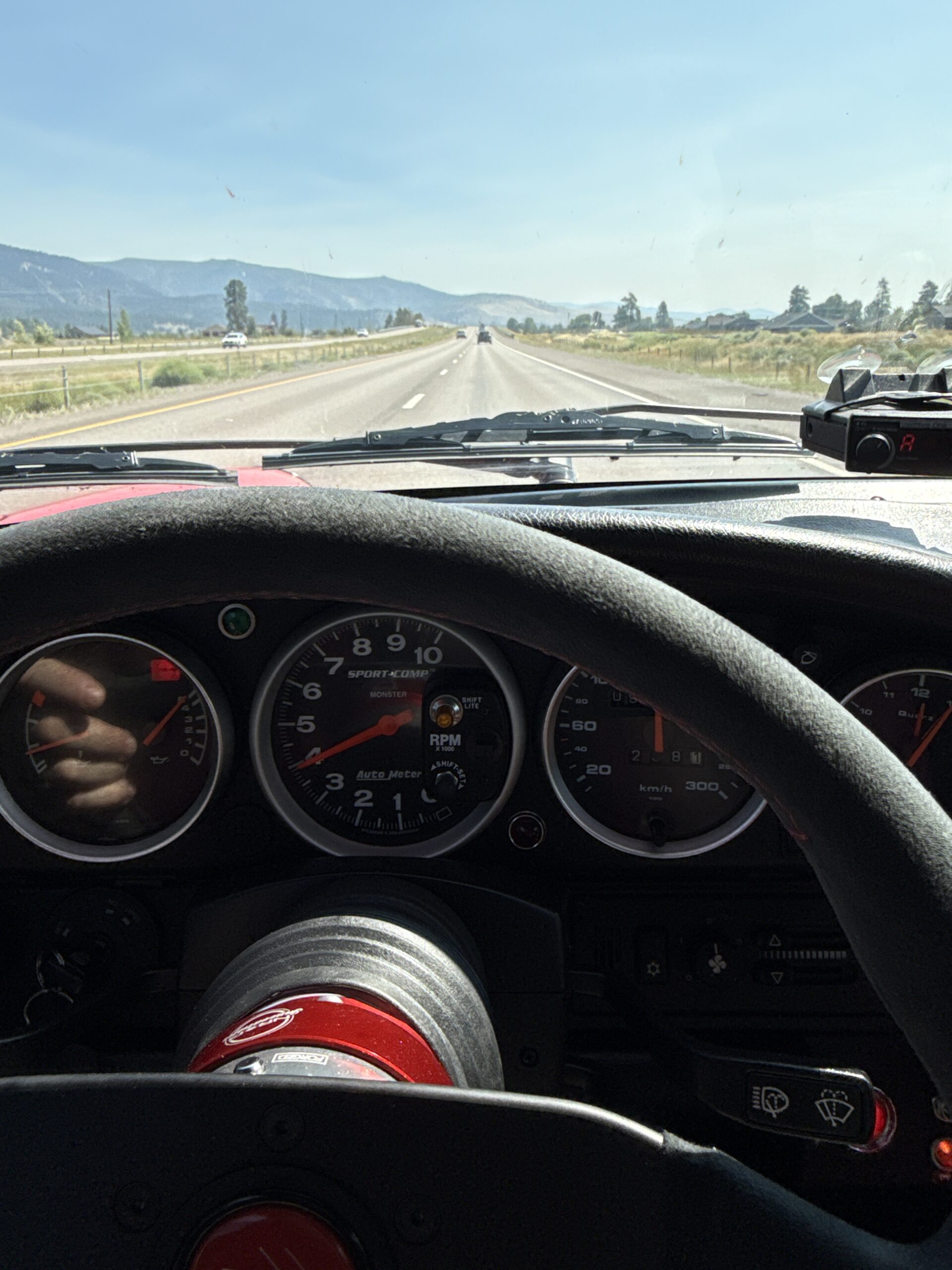
There are individual roads in America that every automotive enthusiast knows. But some of the best road trips aren’t built around one famous stretch of pavement. The AFR Pacific Northwest Tour was a perfect example. There wasn’t one road that defined the entire journey. Instead, it was four days of constantly changing scenery and experiences.
Why We Drive
The fastest route between Portland and Boise is nowhere near the route we took. That’s the point. A great road trip isn’t measured by how efficiently you reach your destination. It’s measured by what you experience getting there. Sometimes the best route means adding hundreds of miles. Sometimes it means taking a mountain road instead of the interstate. Sometimes it means waiting for a ferry in the middle of nowhere.
The Pacific Northwest Tour gave us all three.
